How to Tell if 925 Sterling Silver Jewellery is Real: 12 Easy Ways to Check

Share
Buying silver jewellery should be exciting—not stressful. Yet one question every smart buyer asks is, "How do I know if this is real 925 sterling silver?"
With so many online sellers and attractive deals, it's easy to get confused between genuine sterling silver and silver-plated jewellery. The good news? You don't need to be a jewellery expert to spot the difference.
Here are 12 simple ways to check whether your 925 sterling silver jewellery is authentic.
What Does 925 Sterling Silver Mean?
The number 925 means the jewellery contains 92.5% pure silver and 7.5% alloy metals (usually copper). Pure silver is too soft for everyday jewellery, so this combination makes it stronger, more durable, and perfect for daily wear.
1. Look for the 925 Stamp
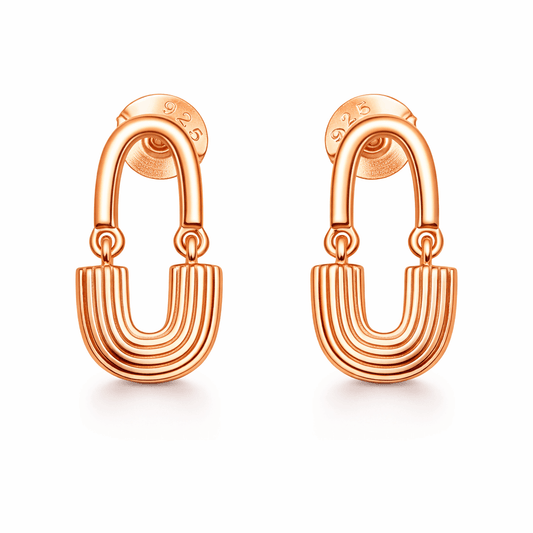
The easiest place to start is the hallmark. Genuine sterling silver usually has a tiny 925 stamp, often found inside rings, on necklace clasps, bracelet fastenings, or behind earrings.
Tip: A 925 stamp is a good sign, but don't rely on it alone. Counterfeit jewellery can also carry fake markings.
2. Check for a BIS Hallmark
If you're buying silver jewellery in India, look for BIS hallmark information. It indicates that the jewellery meets the declared purity standards and gives buyers greater confidence in what they're purchasing.
Buying from brands that clearly mention hallmark details is always a safer choice.
3. Buy from a Trusted Brand
A genuine jewellery brand will always be transparent about its products. Look for detailed descriptions, clear metal specifications, customer reviews, warranty information, and an easy return policy.
Trust is built through transparency.
4. Try the Magnet Test
Silver is not magnetic. If a strong magnet pulls your jewellery, it may contain other metals.
Remember, this isn't a foolproof test because some non-silver metals are also non-magnetic. Use it as one indicator, not the final answer.
5. Observe the Colour
Real sterling silver has a soft, elegant white-grey shine. It shouldn't look overly bright or have a yellowish tint. High-quality silver has a natural lustre that's difficult to imitate.
6. Check the Weight
Sterling silver feels solid and well-crafted. If a large piece feels unusually light or hollow, it may not be genuine silver.
Quality jewellery should feel premium in your hand.
7. Perform the Ice Test
Silver is one of the best conductors of heat. Place an ice cube on the jewellery, and if it melts noticeably faster than on ordinary metal, that's another positive sign.
It's a simple and interesting home test, though not a replacement for professional verification.
8. Wipe It with a Soft White Cloth
Sterling silver naturally develops tarnish over time. Gently rubbing the jewellery with a soft white cloth may leave a faint dark mark.
This is completely normal and often indicates the presence of real silver.
9. Listen to the Sound
When gently tapped, genuine silver produces a clear, bell-like ring. Many imitation metals create a dull sound instead.
Avoid trying this on delicate jewellery to prevent accidental damage.
10. Ask for Product Details
Before buying, ask the seller:
- Is it genuine 925 sterling silver?
- Is the purity clearly mentioned?
- Does it include hallmark information?
- What is the return policy?
A trustworthy seller will answer these questions confidently.
11. Get Professional Testing
If you're buying an expensive piece or inherited jewellery, a professional jeweller can verify its authenticity using specialised methods such as XRF or acid testing.
It's the most accurate way to confirm silver purity.
12. Compare the Price
Authentic sterling silver has real value. If the price seems unbelievably low compared to similar products, take a closer look before purchasing.
A great deal is possible—but an unrealistic price should raise questions.
Common Myths About Sterling Silver
Myth: Real silver never tarnishes.
Fact: Genuine sterling silver can naturally tarnish over time, and it's easy to clean.
Myth: Every 925 stamp is genuine.
Fact: Fake jewellery may also carry counterfeit stamps.
Myth: Silver is magnetic.
Fact: Sterling silver is generally non-magnetic.